


Cleft Lip and/or Palate: A Practical Guide for Primary Dental Care Teams
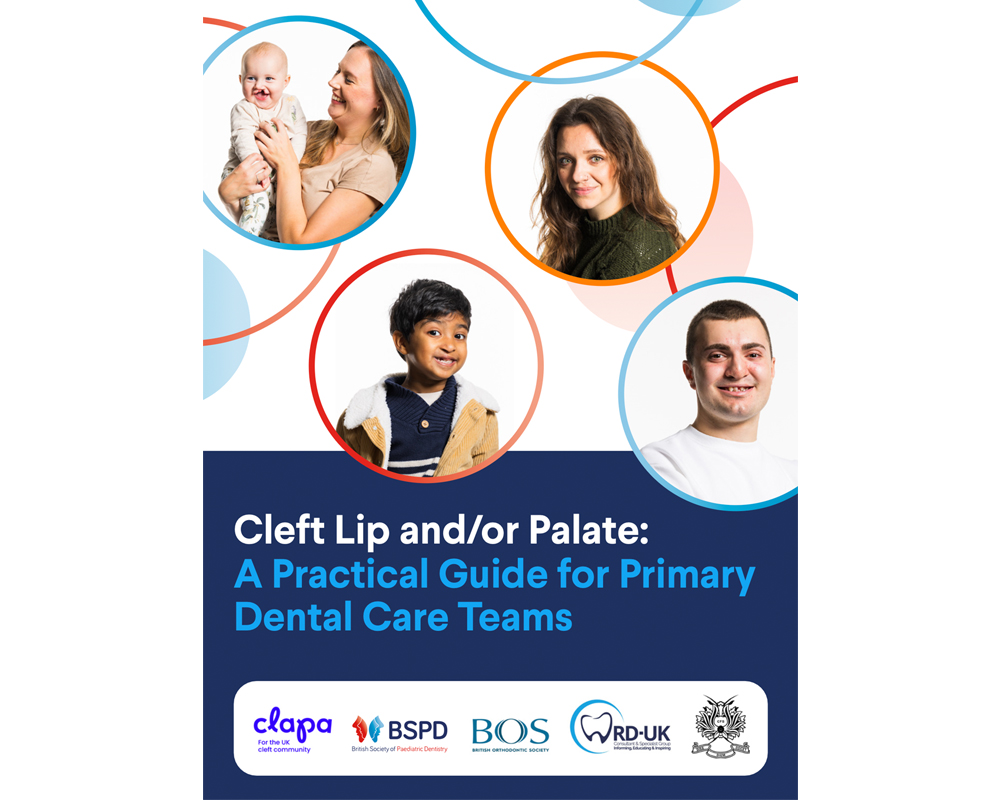
The British Orthodontic Society (BOS) has contributed to a new national resource designed to support general dental practitioners and their teams in caring for children, young people and adults born with a cleft lip and/or palate.
The new resource, Cleft Lip and/or Palate: A Practical Guide for Primary Dental Care Teams, has been developed through a collaboration between the British Society of Paediatric Dentistry (BSPD), the Cleft Clinical Excellence Networks (CENs) within the Craniofacial Society of Great Britain and Ireland (CFSGBI), Restorative Dentistry UK (RD-UK), the British Orthodontic Society and Cleft Lip and Palate Action (CLAPA).
The guide aims to give primary dental care teams greater understanding of the needs of people born with a cleft and greater confidence in providing appropriate preventive and routine dental care, while supporting effective communication and referral to specialist cleft services.
The initiative follows CLAPA’s Cleft Dental Crisis campaign, which highlighted concerns among families about finding dentists who understand cleft and feel confident providing appropriate care. Feedback from clinical networks has similarly indicated variation in confidence among dental teams and uncertainty among families about what to expect from their local dental practice.
People born with a cleft lip and/or palate can require long-term, multidisciplinary care involving surgery, speech and language therapy, orthodontics and specialist dentistry. Primary dental care teams play an important role within this pathway, providing continuity of care through prevention, monitoring dental development and supporting communication with specialist services.
Orthodontics is an integral part of the multidisciplinary cleft pathway, with treatment often taking place over a number of stages as a child grows and develops. Close communication between primary dental care teams and specialist cleft and orthodontic services is therefore essential to supporting good long-term outcomes.
The new guide is structured by age, setting out what primary dental care teams should prioritise at different stages of life alongside an overview of what specialist cleft and multidisciplinary services will usually be providing. It reflects the UK model of cleft care and is intended to help clarify the respective roles of primary and specialist teams.
The resource also highlights the importance of prevention. Children with a cleft should be regarded as being at increased risk of dental caries from infancy, with evidence showing higher levels of caries than their peers, including in the primary dentition. Effective early prevention can therefore play an important role in long-term oral health and in supporting subsequent orthodontic and surgical care.
For the BOS, involvement in the project reflects the Society’s commitment to supporting high-quality orthodontic care and strengthening understanding of the wider multidisciplinary pathway among dental professionals.
The resource is now available as a downloadable PDF, with quick-reference tools designed for use within dental practices and for incorporation into training modules and webinars.
The BOS is grateful to all those involved in developing the guide and particularly welcomes the collaborative approach taken by the organisations and representatives involved. The initiative demonstrates the value of bringing together expertise from paediatric dentistry, orthodontics, restorative dentistry, specialist cleft services and the patient community to improve understanding and support better joined-up care.

Cleft Lip and/or Palate: A Practical Guide for Primary Dental Care Teams